Skip to content
פרונט דיזיין - Front Design

Front Design - Front Design

האוונגרדיסטים השוודים

Stockholm-based Studio Front Design is one of Sweden’s most successful "design exports"—a creative duo that refuses to be "predictably Scandinavian." Anna Lindgren and Sofia Lagerkvist have built an experimental language that is playful and full of charm—one that manages to be simultaneously provocative and poetic, with a love for the stories an object tells the observer.
"They love it when their work tells surprising—even slightly unsettling—stories." It is an approach that allows them to transform even raw technology and industrial material into a creation with humor, character, and presence. Over the years, they have even incorporated "unconventional" creative processes, letting animals, computers, or machines play a role in their work.

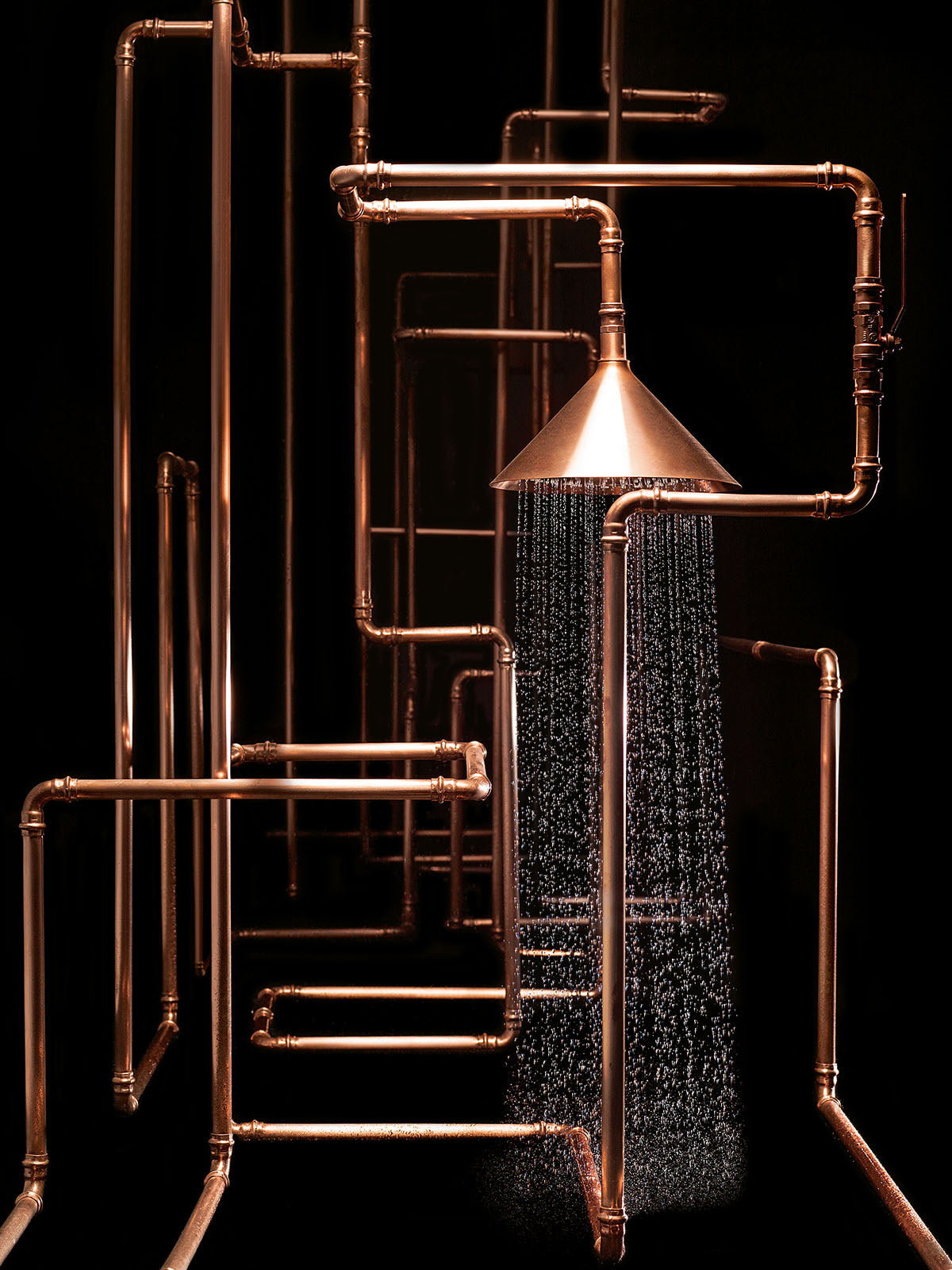
“We wanted to elegantly draw attention to the hidden aesthetics of technology and create a charming design object made from pipes, valves, and funnels.”Anna Lindgren and Sofia Lagerkvist, Front Design

More information about Studio Front can be found on their website: frontdesign.se

Hansgrohe & Axor

Front. The Swedish Avant-gardists

Anna and Sofia met while studying industrial design in Stockholm, and in 2004, they established their studio. In the beginning, the studio also included Charlotte von der Lancken (and was previously founded as a larger group), but they later continued as a duo, with both being involved in every stage: from the initial concept to the launch.
The world quickly recognized their uniqueness: they received a series of awards, including "Designer of the Future" (Art Basel Miami Beach, 2006) and "Designer of the Year" (Elle Deco Sweden and Architektur & Wohnen, 2010).
At the same time, their work has been exhibited and collected by major institutions, including the MoMA in New York.

Hansgrohe & Axor

The magic of objects

In their words, there is something almost emotional about good objects – their ability to "bring magic" into life. "We are fascinated with the magic that objects can bring you" – a sentence that explains why their designs are never just functional: they are always a mood as well.
And the inspiration? For them, it can come from nature, from the night, from the forest and the starry sky – the place where imagination turns into form.

Hansgrohe & Axor

Front Design and AXOR: The Hidden Aesthetics of Technology
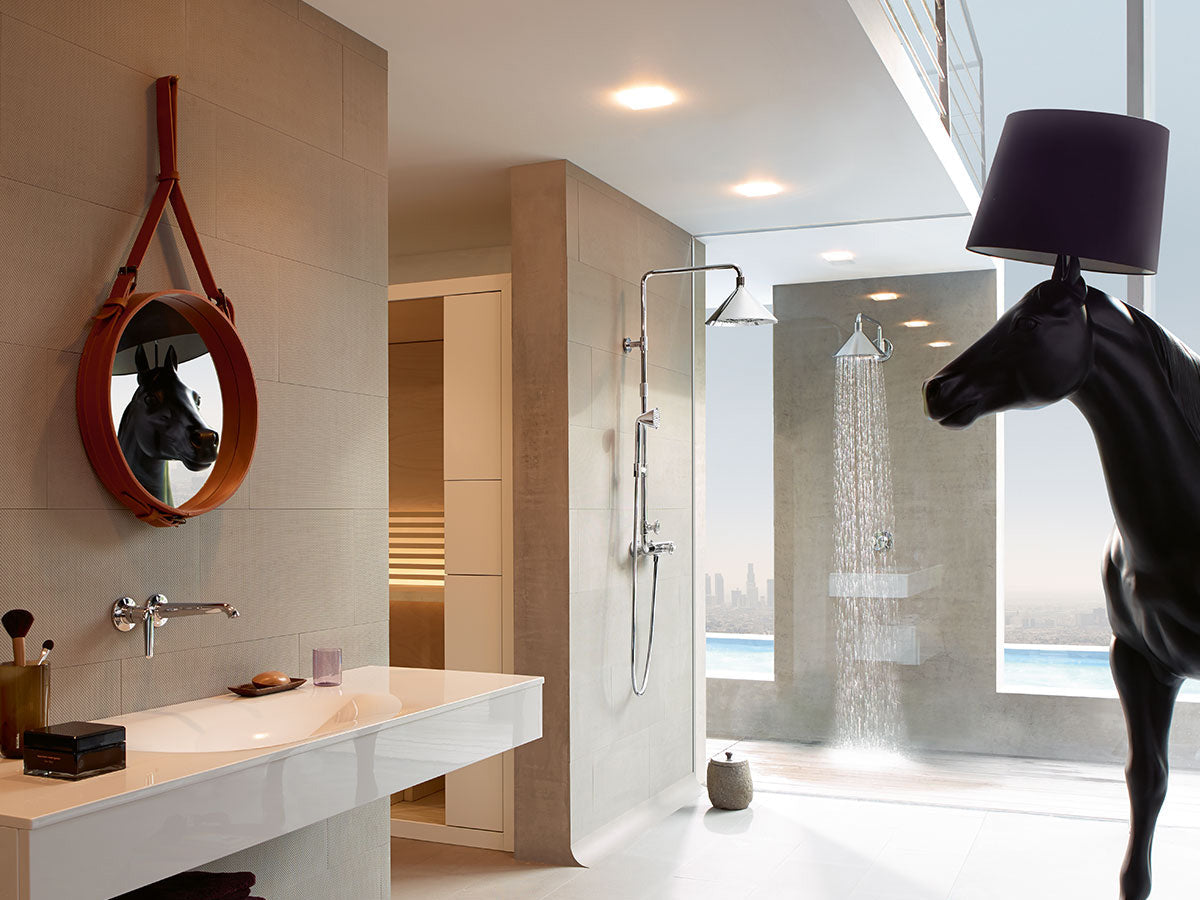
The collaboration with AXOR began in 2013 with a creation born from a dream – the AXOR WaterDream. The goal was bold: to reinterpret the shower, not as a "designed surface," but as an experience that returns us to the primal form of water and infrastructure.
They chose not to hide anything – on the contrary. To highlight the hidden beauty of the technology: pipes, valves, and funnels – and turn them into a designed object full of character. “We wanted to highlight the hidden aesthetics of the technology in an elegant way, and to create a charming designer product out of the tubes, valves and funnels.”

Hansgrohe & Axor

A new perspective on the shower

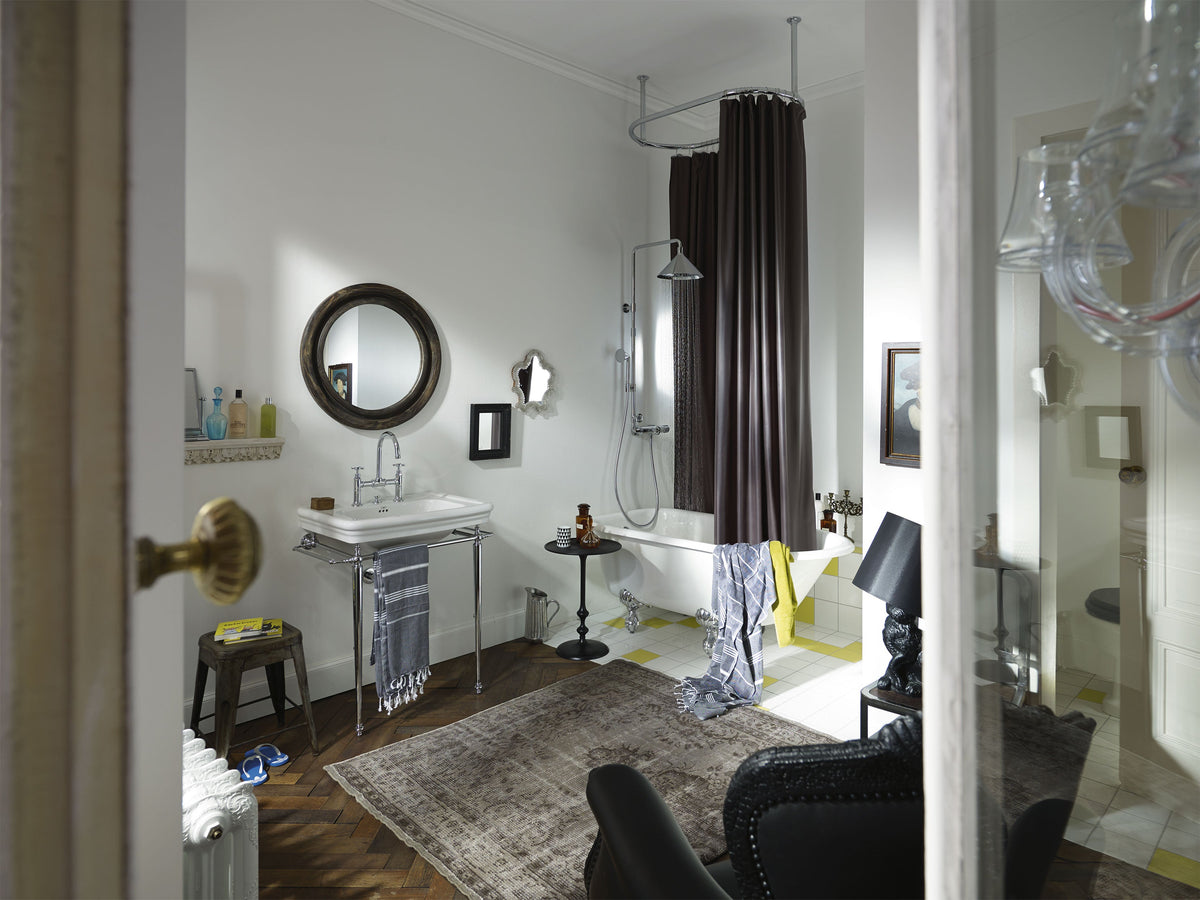
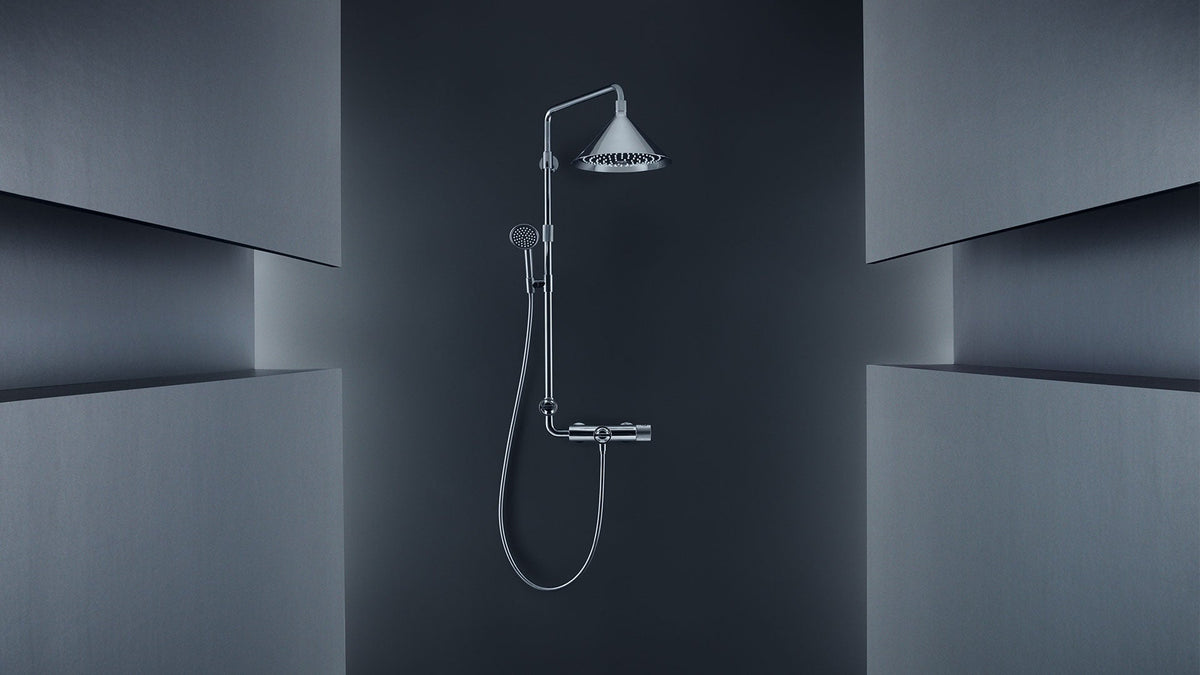
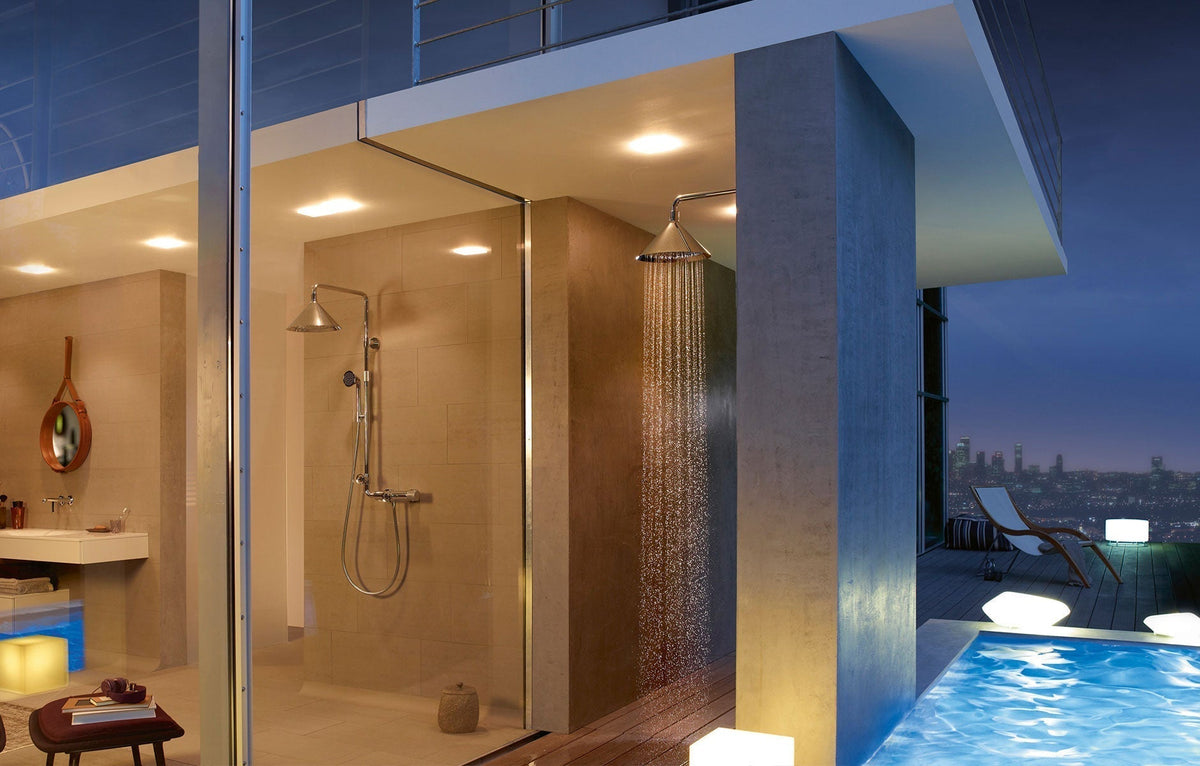
The WaterDream gave birth to the AXOR ShowerProducts designed by Front – new shower archetypes that feel familiar yet entirely different. This creation also won awards: the Wallpaper* Design Award (2014) for the shower concept, and the German Design Award (2015) for the product line. Ultimately, Front Design brings to AXOR what it does best: transforming a technical system into something with a soul – a design that challenges conventions, keeps a small smile at the corner of the mouth, and manages to feel luxurious precisely because it is authentic, exposed, and direct.

Hansgrohe & Axor

In practice, the power of AXOR Showers/Front lies not only in what is seen, but in what is felt: the shower is transformed from a “hidden” area into an architectural focal point that defines the space. The exposure of the piping and connectors creates a subtle drama between industrial and elegant, between function and glamor, and as with any Front work, there is a wink here: something familiar to us from the world of infrastructure, but which suddenly appears as a piece of jewelry. It is a collection that speaks strongly to architects and interior designers because it provides compositional freedom—to build a “picture” of water on the wall, to play with rhythm, spacing, and proportions, and to turn every shower into a personal signature.